Buying an overhead crane is a long-term decision. Work through these steps and any manufacturer can give you a quotation you can compare properly.
1. Define the load
Record the heaviest load, typical loads, dimensions and any attachment. Remember that the attachment's weight counts towards the capacity.
2. Measure the building
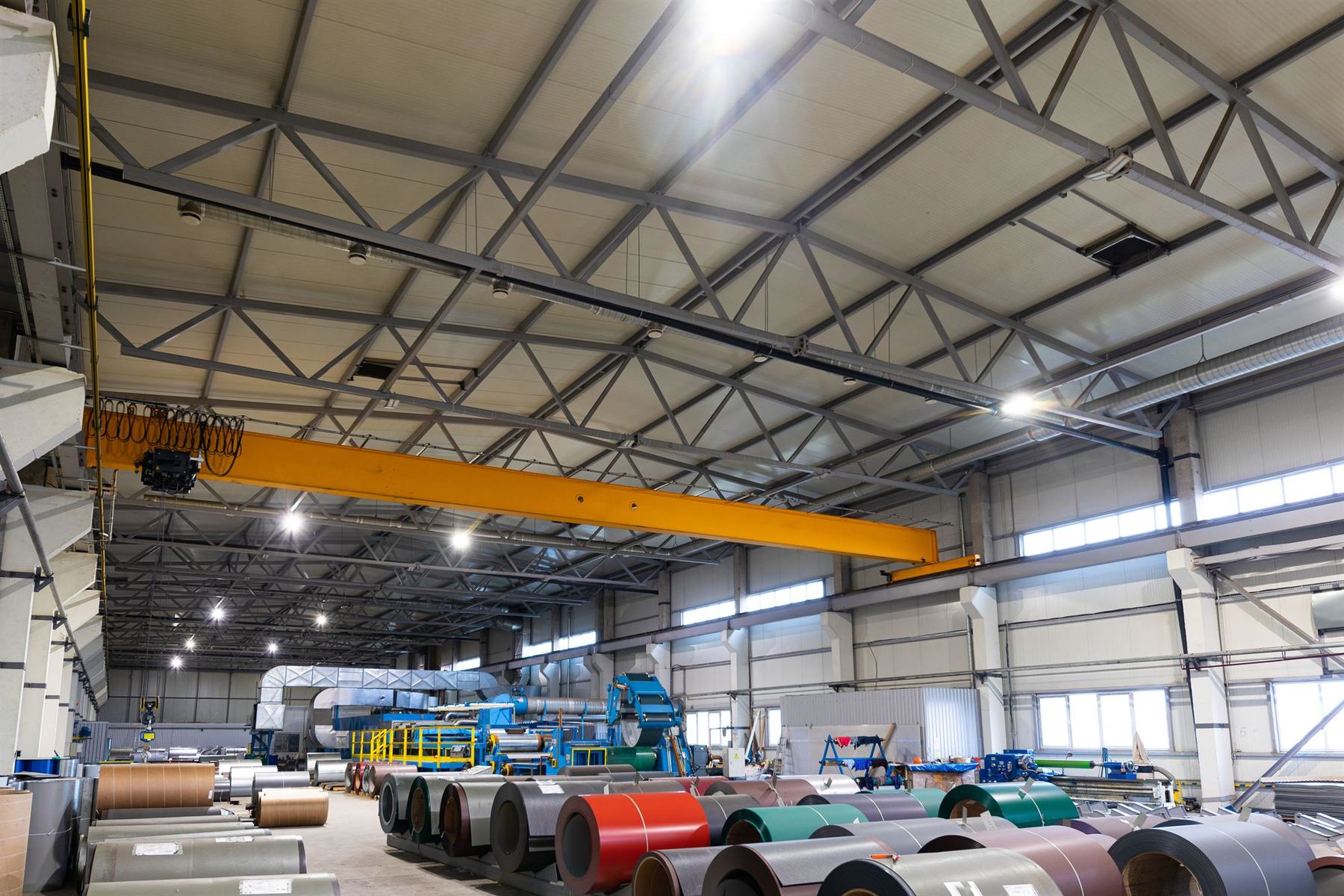
You need the span between runway rail centres, runway length, hook height required and the clear height under the roof. Note obstructions such as pipes and lights. If there is no runway yet, check whether the columns can carry one, or consider a gantry crane.
3. Classify the duty
Estimate lifts per hour, travel distance and hours per day, then use FEM and ISO duty classes. This matters as much as capacity.
4. Choose the crane type
| If you need | Consider |
|---|---|
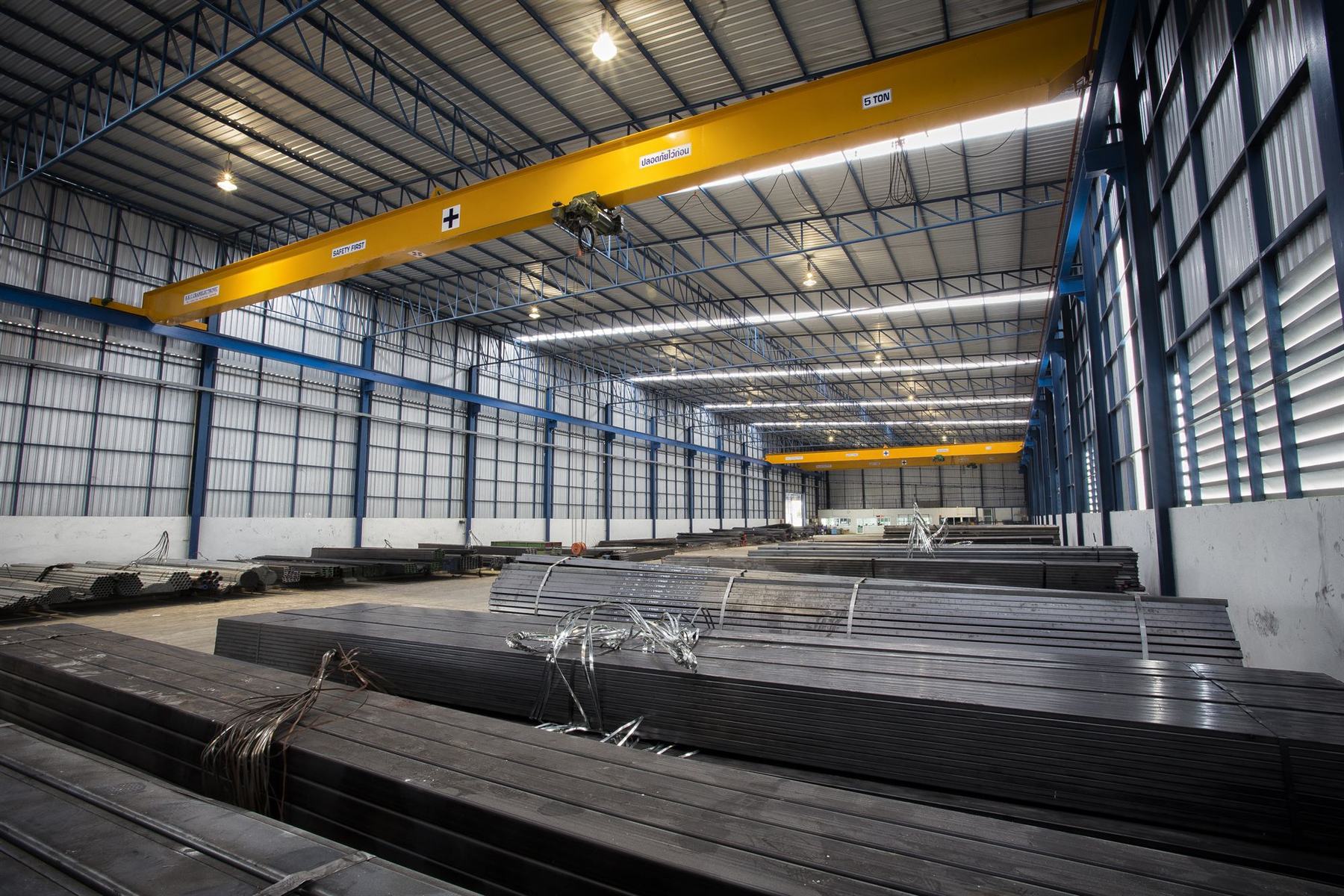
| Light to medium duty at lower cost | Single girder crane |
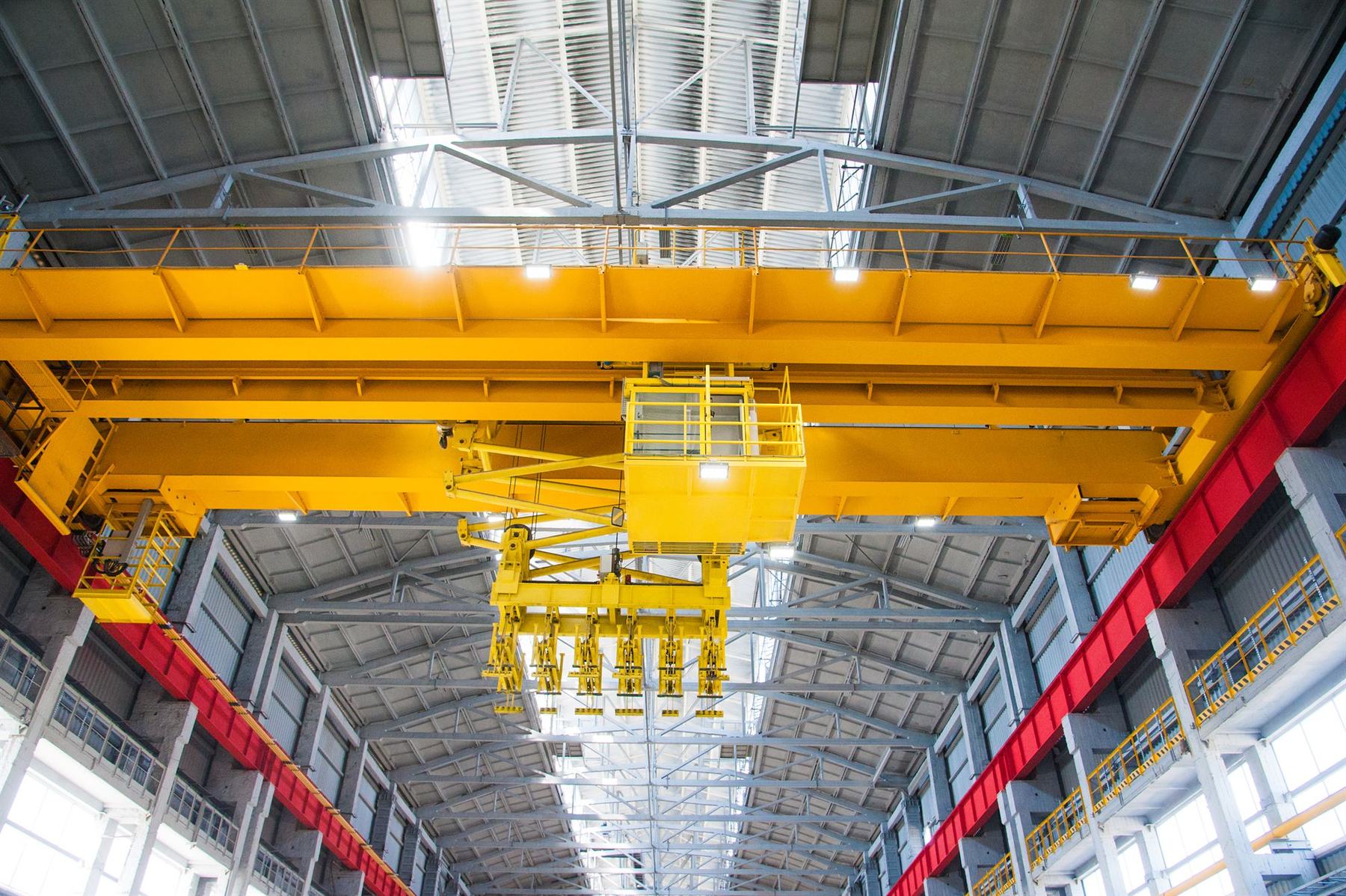
| Heavy loads, long spans, maximum hook height | Double girder crane |
| No building runway, or an outdoor yard | Gantry crane |
| Fast local lifting at a workstation | Jib crane |
| A crane in a continuous production line | Process crane |
5. Choose the hoist and drives
Pick a wire rope or chain hoist to suit capacity and height, and consider inverter drives where positioning matters.
6. Choose the controls
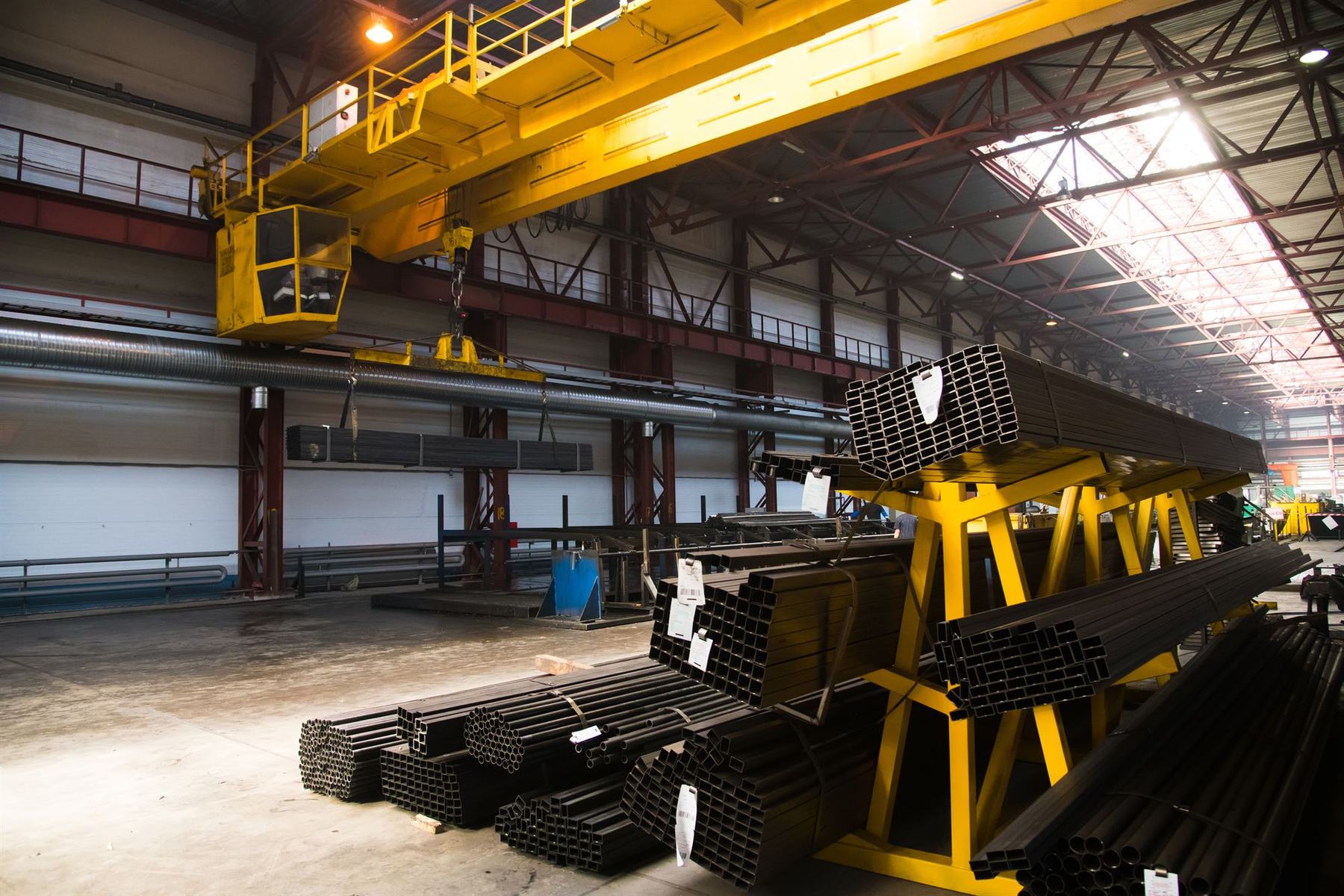
Pendant control is simple and cost-effective. Radio remote lets the operator choose a safe viewpoint. A cabin suits long spans, high-duty cranes and hot or dusty processes.
7. Compare quotations properly
- Are capacity, span, hook height and duty class identical?
- Which standards is the crane designed to?
- Are installation, load testing, CE documentation and training included?
- Who supplies spare parts and service, and how quickly?
For what affects the cost, read our overhead crane price guide.