Choosing C-Hooks and Lifting Beams

Choosing C-Hooks and Lifting Beams

Matching below-the-hook devices to coils, beams and long loads.

CategoryLifting equipment
PublishedJune 9, 2026
Reading time4 min read
Written byEOTEC engineering team

The attachment between the hook and the load decides how safely and quickly you can work. It should be designed around the load, then checked against the crane.

Which device for which load?

DeviceBest forHow it works
C-hookCoils, rolls, tubesLifts through the bore with balanced handling
Lifting beamLong or flexible loadsRigid beam spreads the load between several lifting points
Spreader beamWide or delicate loadsKeeps slings vertical and reduces compression on the load
Special devicesProcess-specific loadsMagnets, clamps, grabs and custom attachments

Lifting beam or spreader beam?

The two are often confused. A lifting beam is loaded in bending and hangs the load from points along its length, which also helps with low headroom. A spreader beam is mainly in compression and uses slings angled to its ends, which keeps slings to the load vertical.
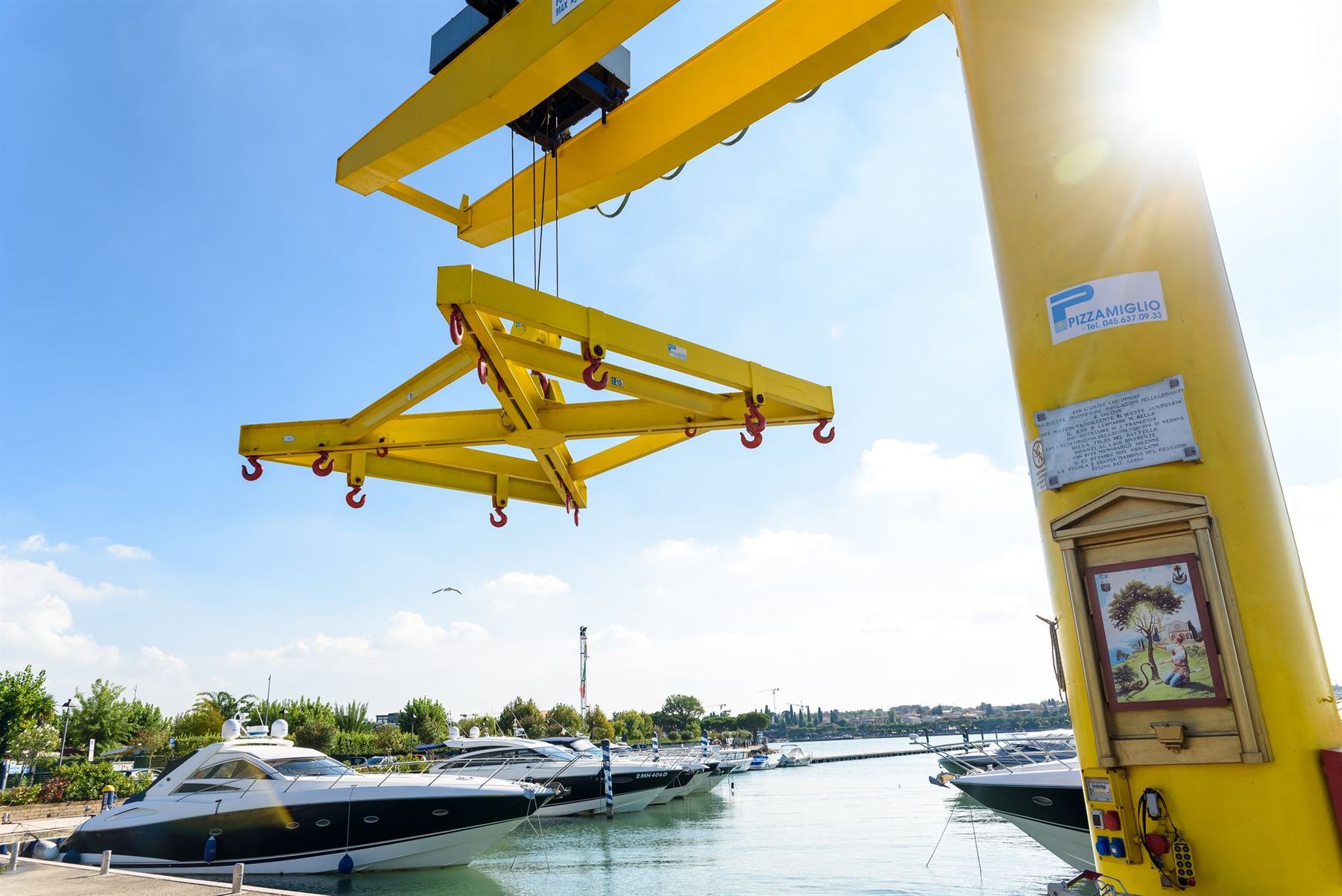
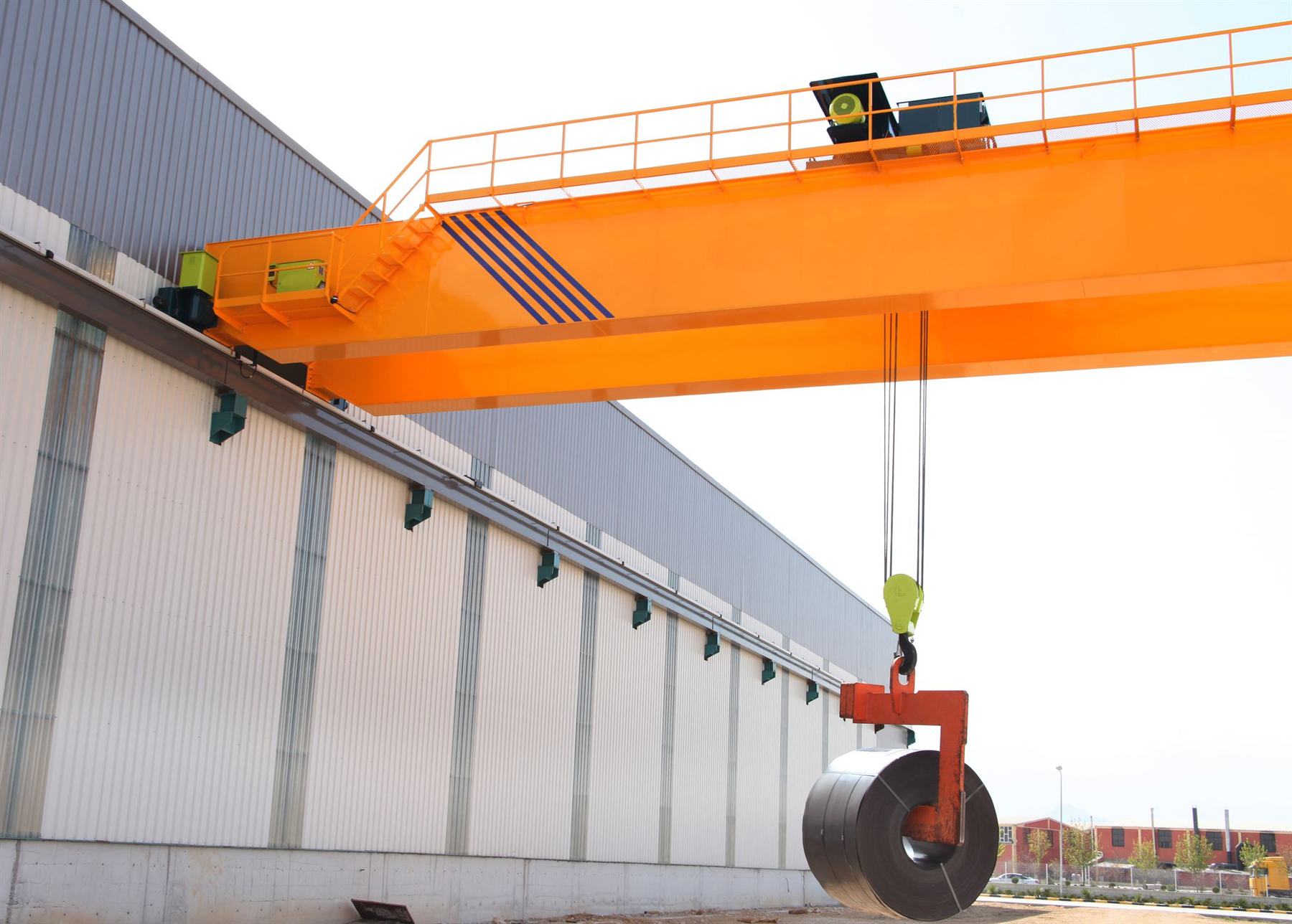
Spreader beam on an outdoor crane

What to specify

  • Load dimensions, weight and centre of gravity
  • Lifting points and how the load may be touched
  • Available headroom under the crane
  • Duty and operating environment

Remember the attachment's own weight

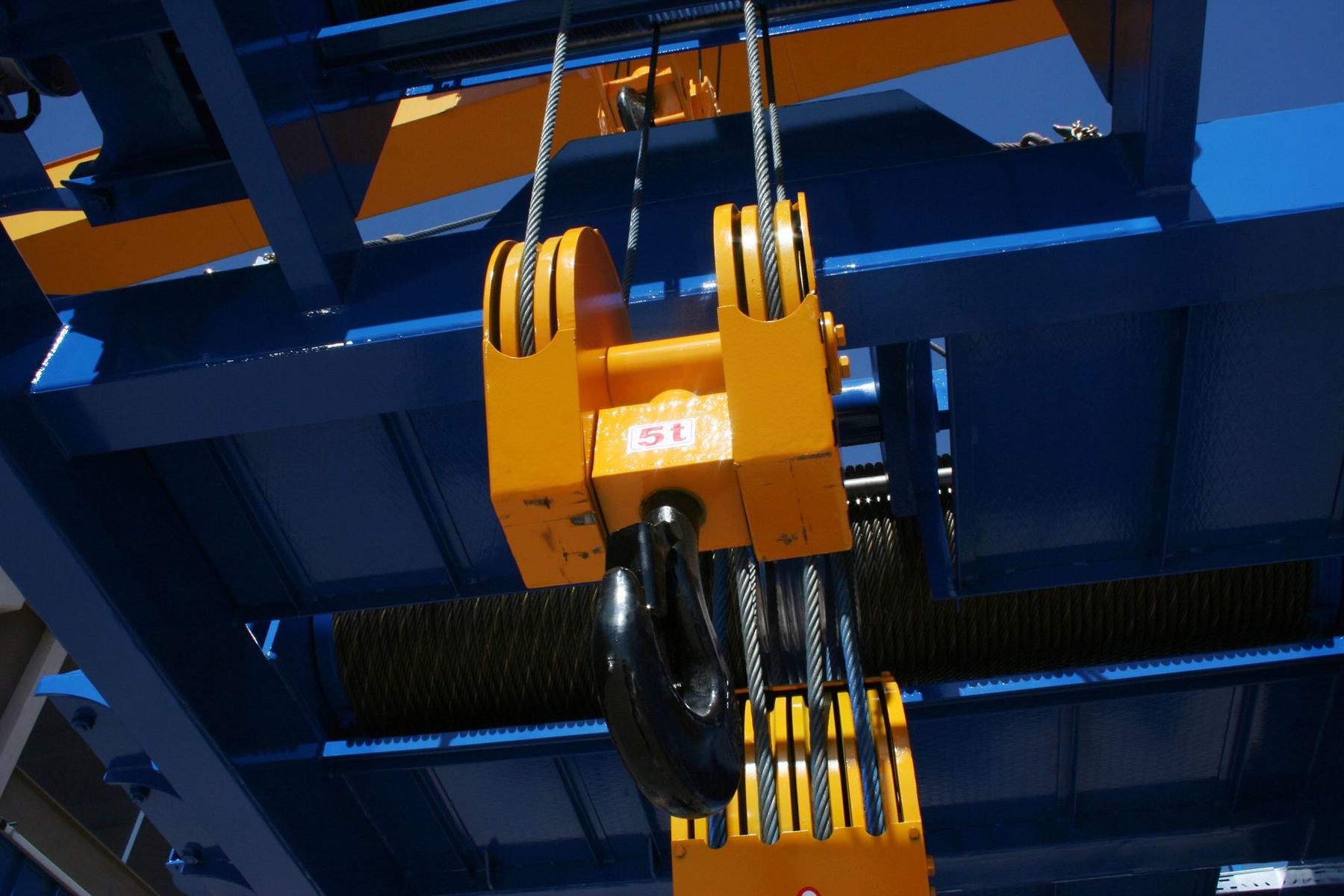
The attachment's weight counts towards the load on the crane. A heavy device reduces the net load you can lift, so include it when you size the crane.

See our below-the-hook lifting devices or ask our engineers about your load.
Request a quote

Keep reading

Related

Lifting Equipment

Lifting Equipment

Hoisting units, below-the-hook devices and crane components.

Double Girder Overhead Cranes

Double Girder Overhead Cranes

Heavy-duty bridge cranes for high capacities, long spans and maximum hook height.

Cranes by Industry

Cranes by Industry

Crane and attachment choices for steel, precast, logistics and machinery plants.

FAQ

C-hook and lifting beam questions

If yours isn't here, just ask our engineers.

What is the difference between a lifting beam and a spreader beam?

A lifting beam is loaded in bending and suspends the load from points along it. A spreader beam is mainly in compression and keeps the slings to the load vertical.

Does the weight of a C-hook or lifting beam reduce crane capacity?

Yes. The attachment's weight counts towards the load on the crane, so a heavy device reduces the net load you can lift. Subtract it from the crane's rated capacity to see what remains for the load itself. For a new crane, add it to the heaviest load when sizing. For an existing crane, check the device's weight before ordering, because a heavier attachment may leave too little margin.

What information is needed to design a custom lifting beam or C-hook?

Send the load's dimensions, weight and centre of gravity, its lifting points and how it may be touched, the headroom available under the crane, and the duty and operating environment. A sketch or photo of the load helps. The centre of gravity matters most when it is off-centre, because it decides where the device must pick up. The finished design is then checked against the crane.

Can one C-hook handle different coil sizes?

Only if it was designed for that range. A C-hook lifts through the bore and balances the load, so the bore, coil width and weight all decide whether one hook fits and whether the coil hangs level. Give the smallest bore, the widest coil and the heaviest and lightest weights in your enquiry. If your coils vary widely, more than one device may be the safer answer.

Does a lifting beam help when headroom under the crane is low?

Usually yes. A lifting beam hangs the load from points along its length, so it avoids the tall sling triangle needed by a spreader beam or by slings alone, and that keeps the load closer to the hook. The beam's own depth and rigging still use height, however. Compare the available headroom under the crane with the full stack of hook, beam, slings and load before deciding.

When is a magnet, clamp or grab better than a C-hook or lifting beam?

When the process or the load's shape rules out a bore, a fixed lifting point or slings. A clamp or magnet can suit loads with no place for a hook, and a grab suits material that cannot be slung. Surface condition, load thickness and what happens in a power failure all need checking for such devices. Describe your process in the enquiry, since such special devices are engineered for a specific process.

Planning a crane for your plant?
Get a free quotation.

Request a Quote