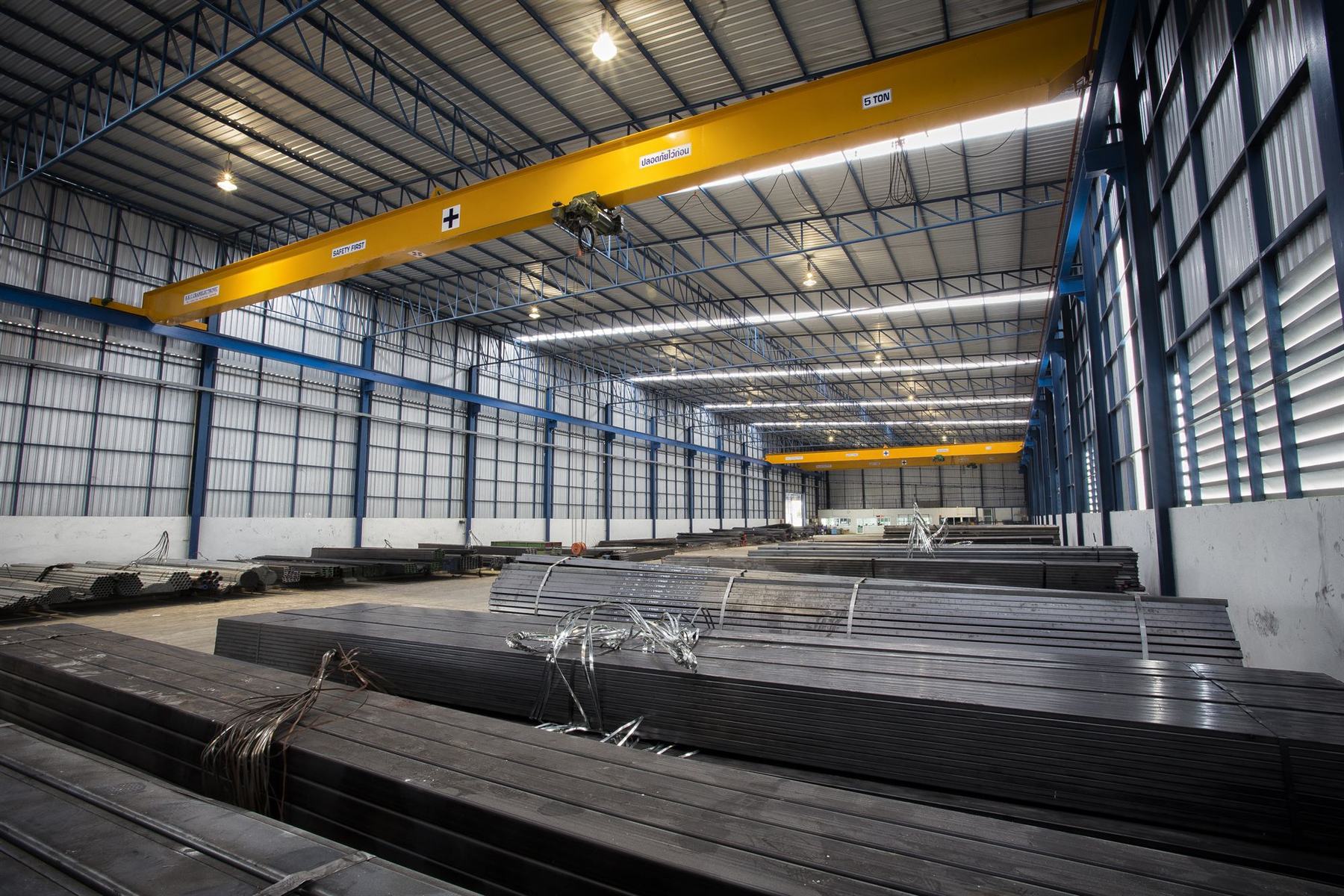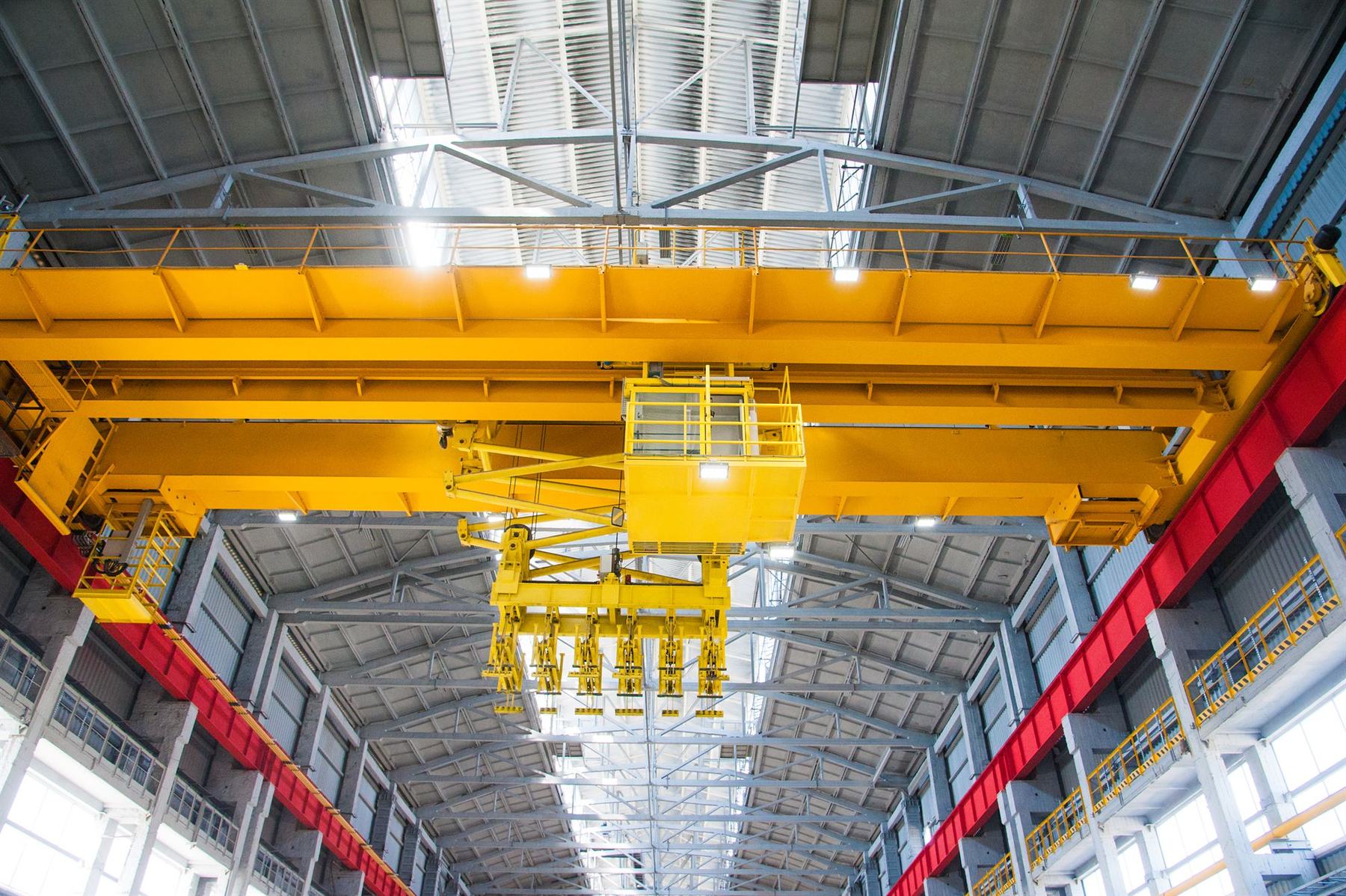
Reliable Industrial Cranes & Custom Lifting Solutions
Overhead, gantry, jib and process cranes engineered for reliable lifting operations, precise load positioning and continuous productivity.
- Crane types
- Overhead, gantry, jib, process
- Capacity
- 0.5 – 100 t
- Span
- Up to 40 m
- Service line
- 24/7
Choose your crane
Four crane types, each calculated for your hall, your loads and your duty cycle.
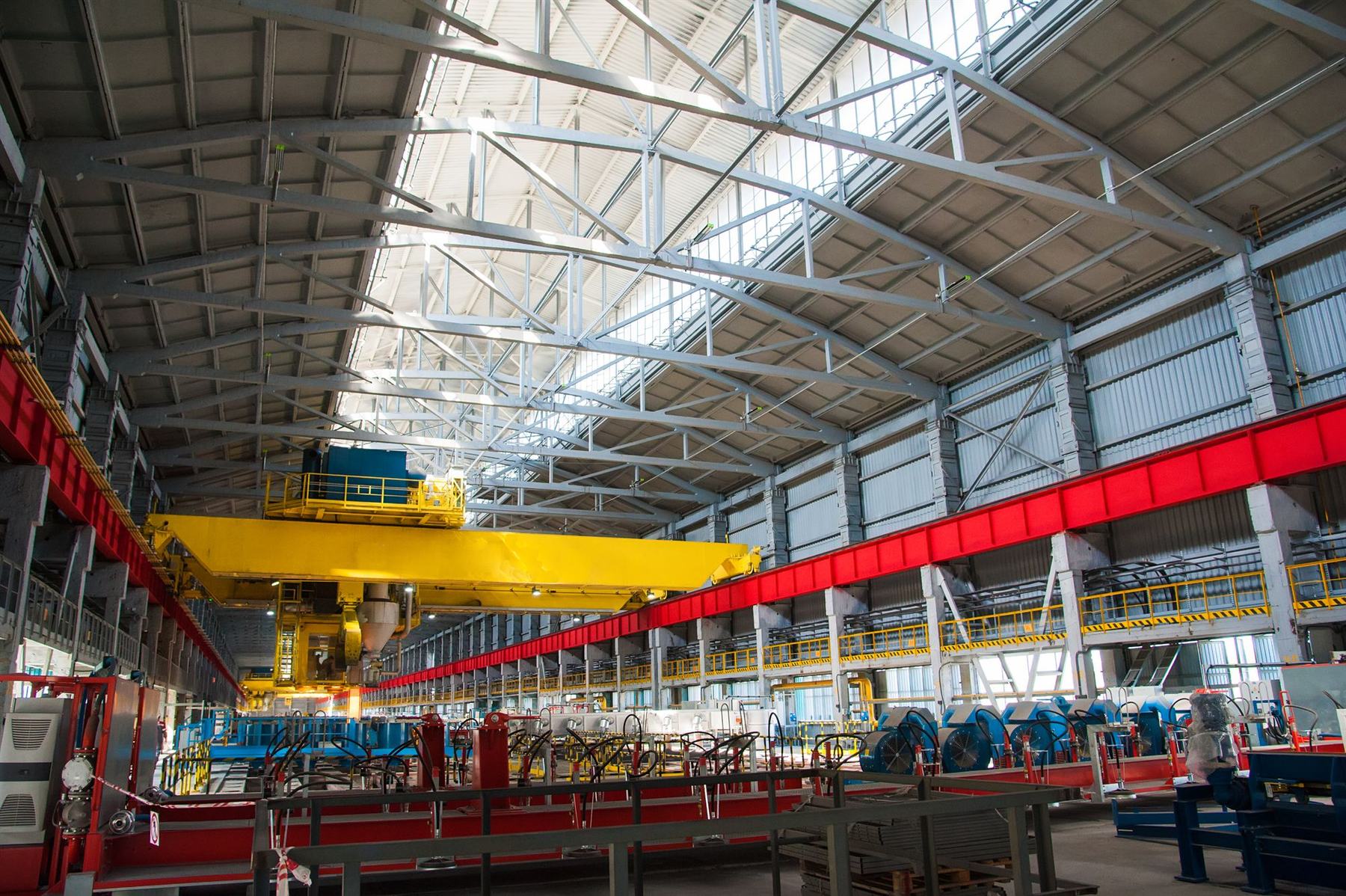 01Overhead CranesSingle and double girder bridge cranes up to 100 t, spans to 40 m.
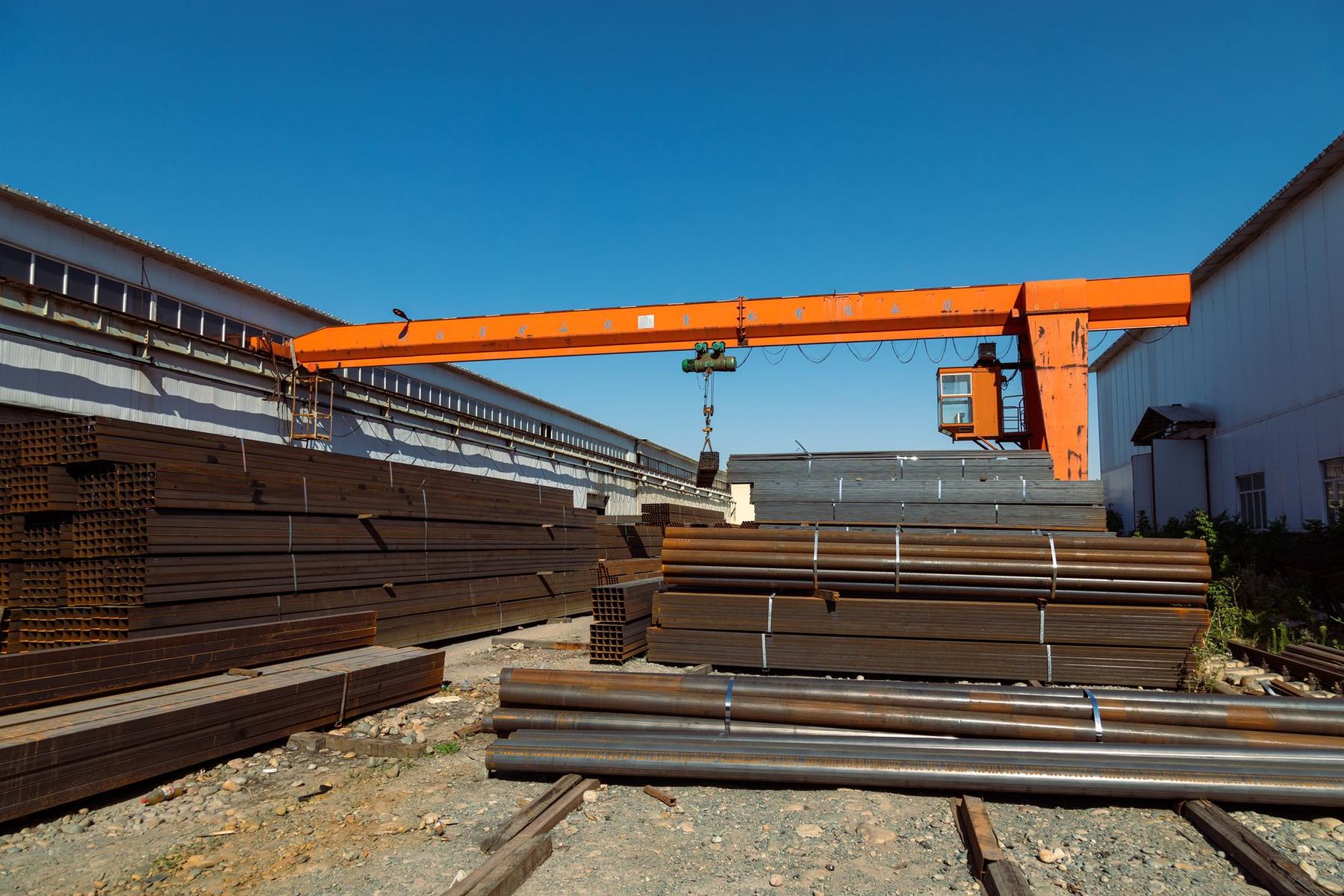 02Gantry CranesFull and semi-gantry cranes for outdoor yards and halls without a runway.
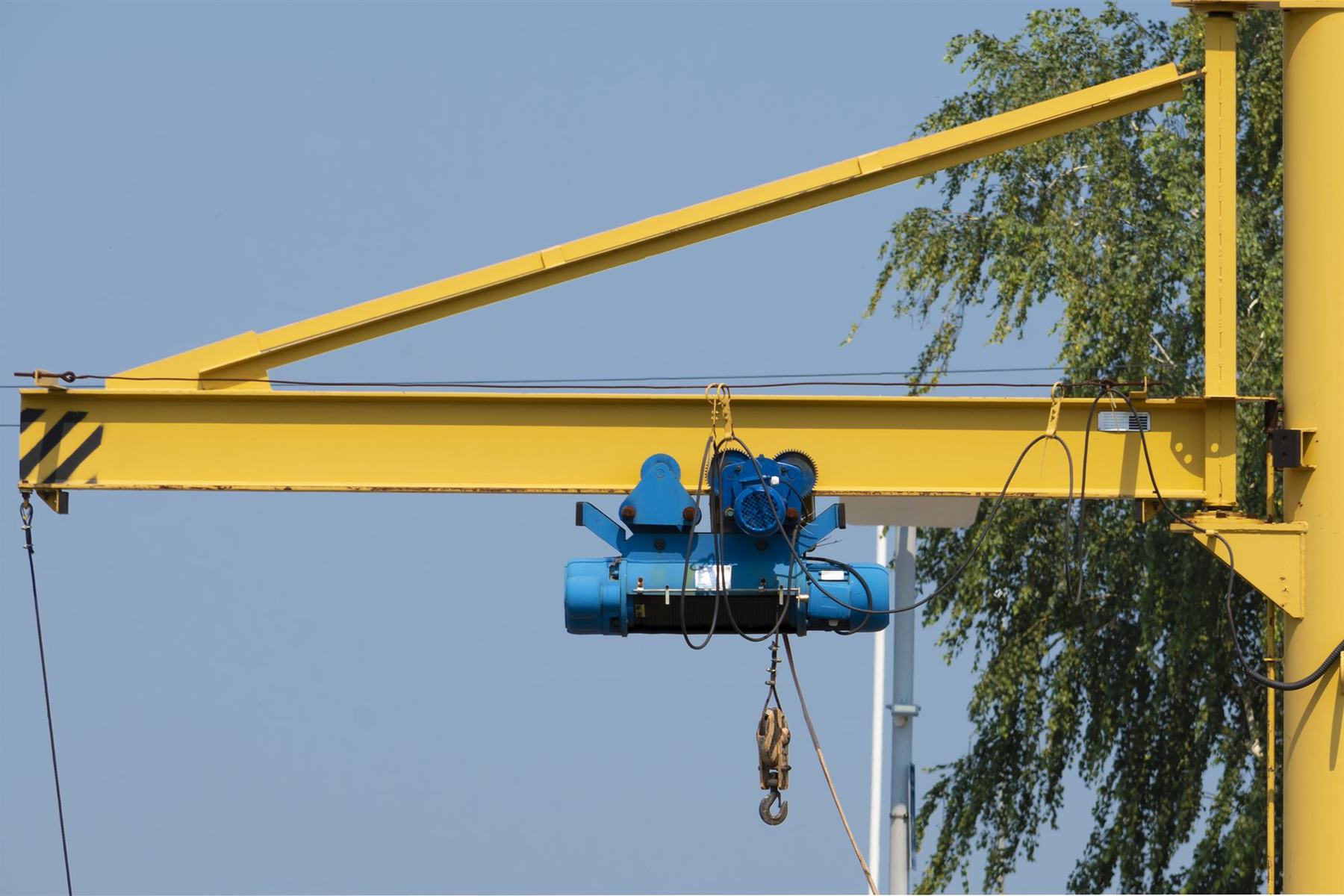 03Jib CranesColumn and wall-mounted jibs with manual or motorised rotation.
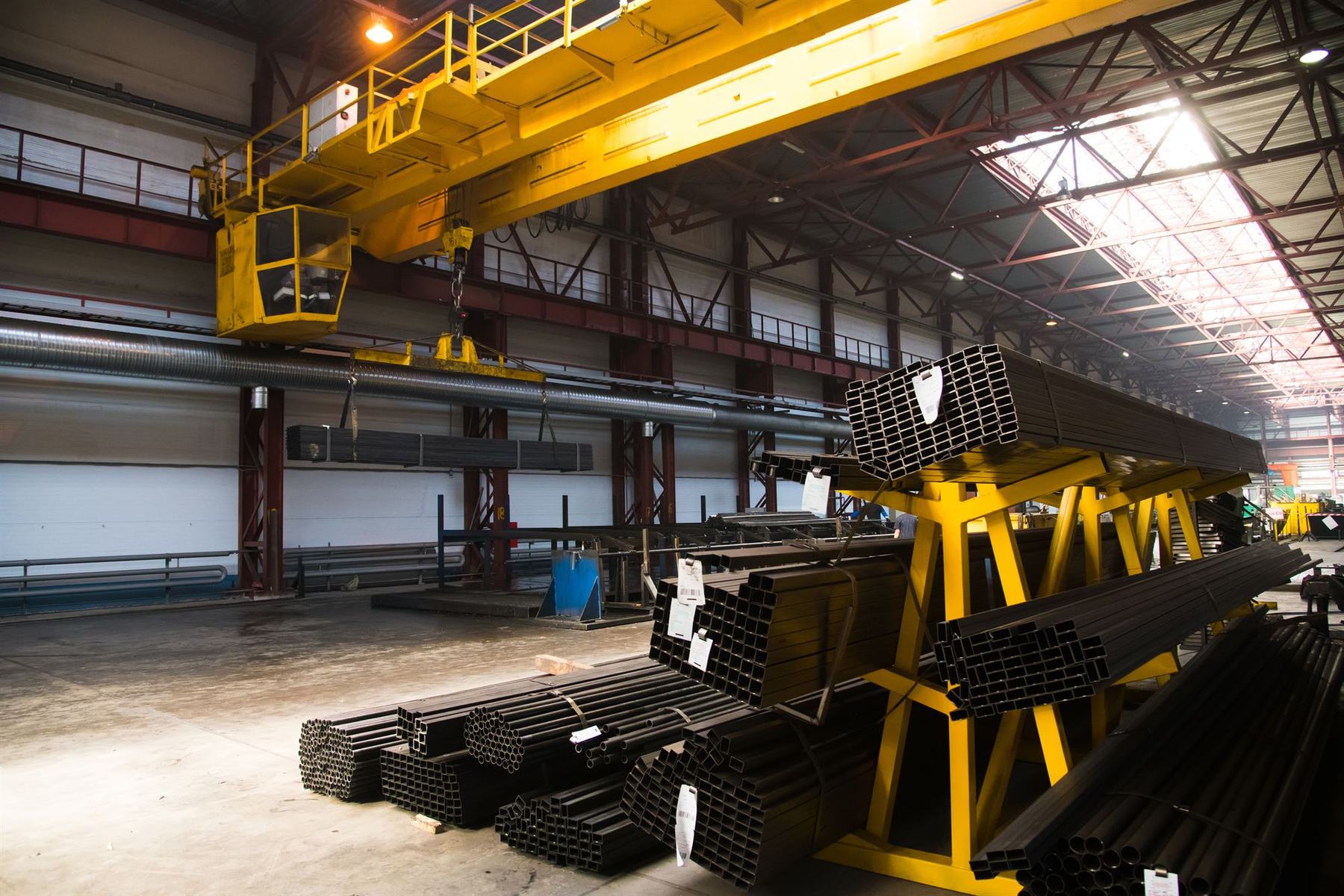 04Process CranesHeavy double girder cranes built for continuous production.
Overhead, gantry, jib or process crane?
Overhead cranes run on elevated runways and keep the floor clear. Gantry cranes run on floor rails, so they suit yards and halls with no runway. Jib cranes provide fast local lifting at a workstation. Process cranes are built for continuous production.
Single or double girder?
Choose single girder for light to medium duty, or double girder for heavy loads, long spans and maximum hook height. Read our comparison and the full buyer's guide.
Built by one team
EOTEC is an overhead crane manufacturer in Türkiye. Our EOT cranes are designed to EN 15011, and our service teams support cranes for their whole life.
Which type of industrial crane do I need for my plant?
Start with the building and the way you lift, not the capacity alone. A building that can carry a runway usually points to an overhead crane, a yard or a hall with no runway to a gantry crane, and repeated lifts at one machine to a jib crane. If the crane runs as part of production, look at a process crane.
Which crane can I use if my building has no runway?
A gantry crane is the usual answer, because it runs on floor rails and needs no building runway. First check whether the columns could carry a new runway, since an overhead crane keeps the floor clearer. If you only need lifting at one spot, a column-mounted jib crane stands free on its own foundation or base plate.
When is a jib crane enough instead of an overhead crane?
A jib crane is enough when lifts are local and the loads are within its range, up to 10 t at EOTEC. It serves the area around one machine, workstation or loading bay, so it cannot cover the full length of a hall. Once loads must travel between work areas, you need an overhead or gantry crane.
How do I know if my plant needs a process crane?
You need one when the crane is part of the production line and a stopped crane means a stopped plant. Typical signs are lifting through the whole shift and loads often close to capacity. If lifts are occasional, a correctly classified overhead crane is usually enough, and a process crane would be over-specified for the work.
Can different crane types be combined in the same plant?
Yes, and it is often the better layout. A common arrangement is a main overhead crane for heavy moves, with jib cranes at workstations for frequent small lifts, which keeps the main crane free. A yard next to the hall may add a gantry crane. Plan the cranes together so their clearances and working areas do not conflict.
What capacities do overhead, gantry, jib and process cranes cover?
Overhead and process cranes go up to 100 t, with higher capacities on request, and spans up to 40 m. Gantry cranes also go up to 100 t, with the span set by the project. Jib cranes go up to 10 t. Capacity alone does not decide the type, because the building, the working area and the duty matter as much.
Which crane type takes up the least floor space?
An overhead crane takes the least, because it runs on elevated runways and leaves the floor clear. A gantry crane needs floor rails and clearance for its legs along the whole travel path. Among jib cranes, a wall-mounted jib saves floor space compared with a column-mounted one, whose column stands in the working area.
Are EOTEC cranes standard products or built to order?
Each crane is calculated for your hall, your loads and your duty cycle, rather than picked from a fixed list of models. The four crane types are starting points. Structure, hoist, drives and controls are then settled during engineering, and a layout drawing comes to you for approval before girders and end carriages go into fabrication.
Does the single or double girder choice apply to every crane type?
No. It applies to overhead and gantry cranes, which both come in single and double girder versions, as our single vs double girder comparison explains for overhead cranes. EOTEC process cranes are double girder because of their heavy loads and intensive duty. A jib crane has a rotating arm instead, so the choices there are mounting, slewing and hoist.
What are the stages of a crane project from site survey to first lift?
There are four stages. We survey your hall, runway and loads and agree the duty. Engineering produces the structural calculation, duty classification and a layout drawing for approval. Girders, end carriages and hoisting units are then fabricated and assembled in our facility. Finally come erection, commissioning, load testing, CE documentation and operator training on your site.