Single Girder Overhead Cranes
A streamlined, lightweight bridge crane that maximises vertical clearance and reduces the load on building supports, ideal for light to medium-duty lifting.
What is a single girder overhead crane?
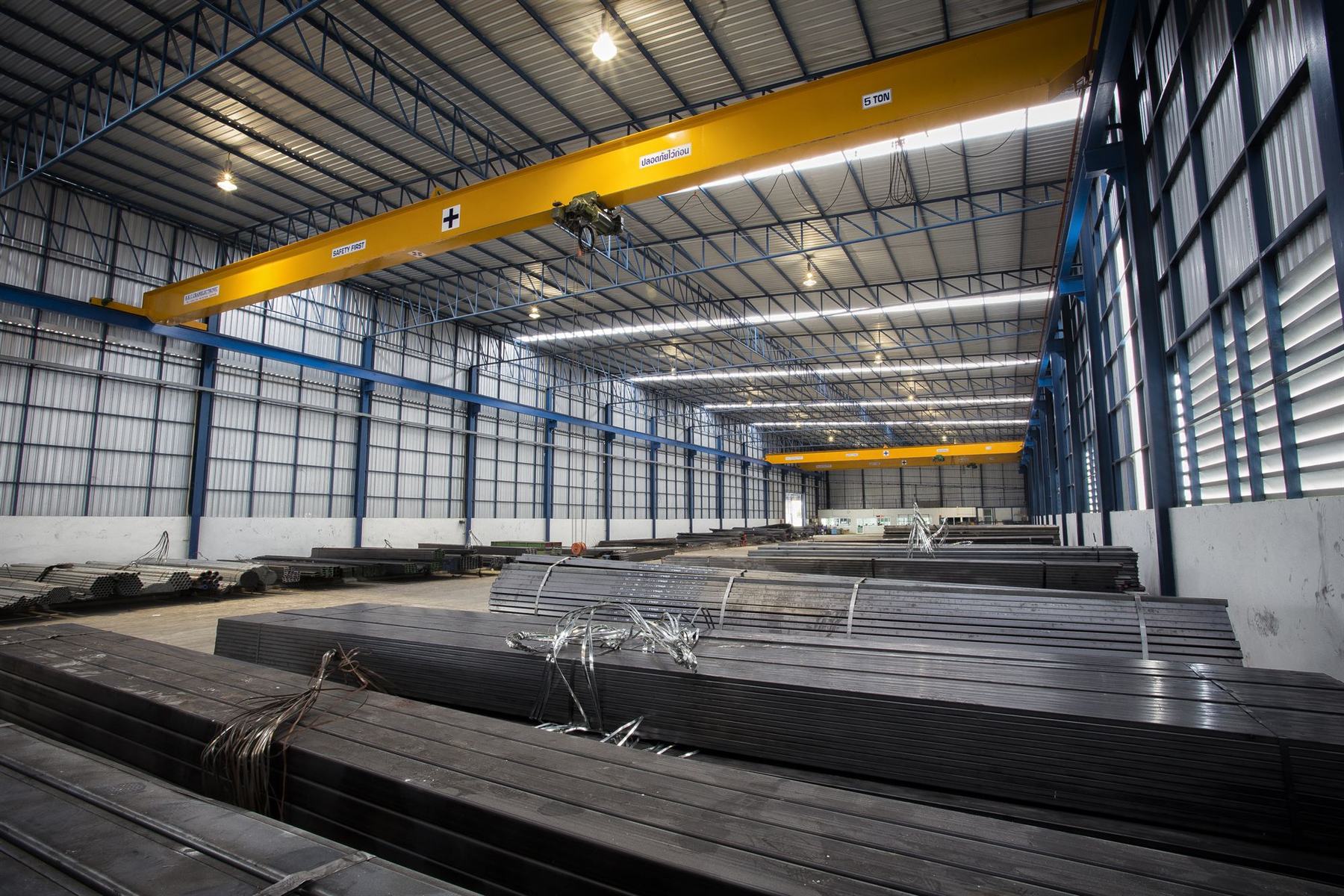
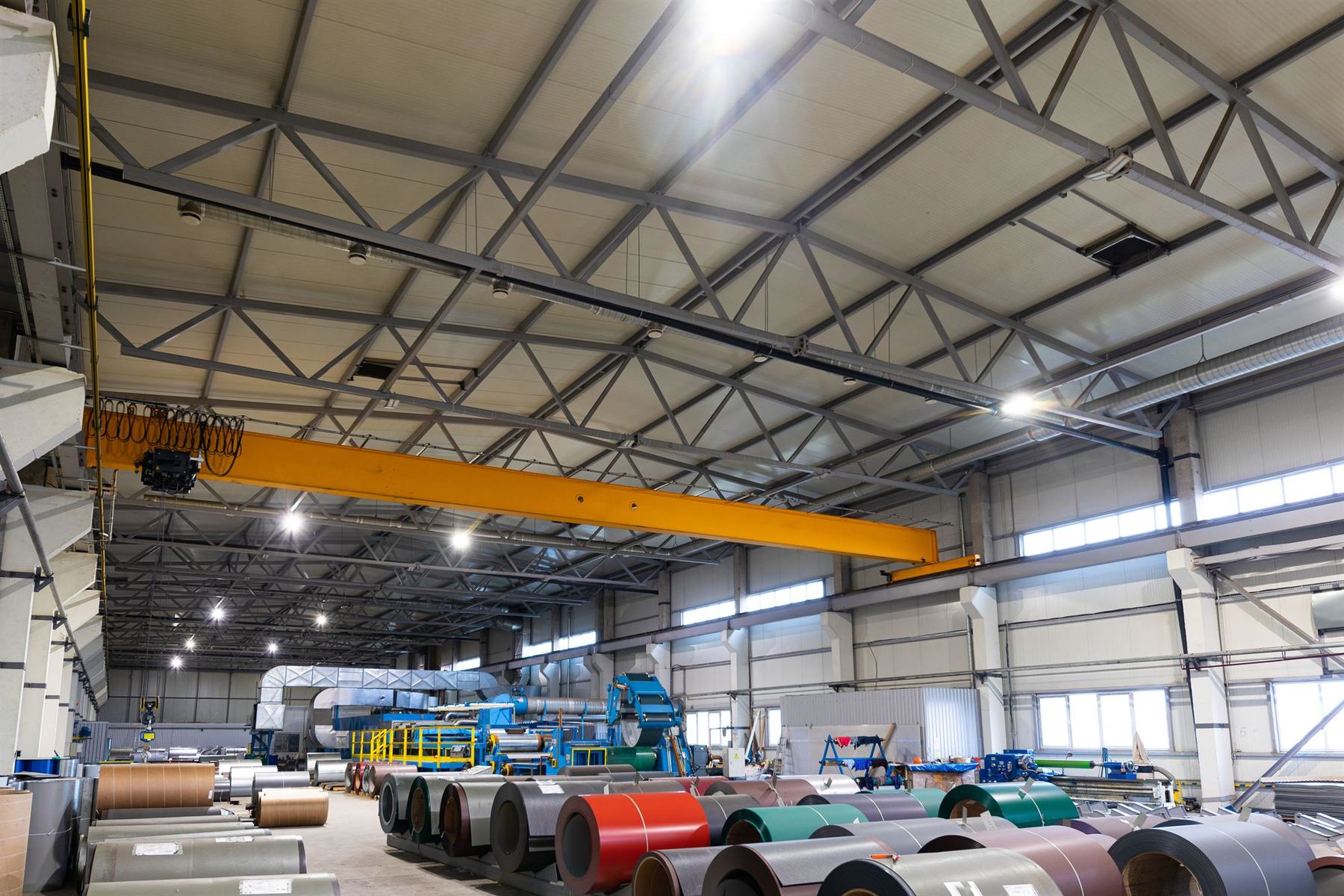
A single girder overhead crane has one main beam spanning the runway, with the hoist running along the beam's lower flange. Because there is less steel in the bridge and a simpler trolley, it is lighter than a double girder crane, puts less load on the building and usually costs less to buy and install.
When a single girder crane is the right choice
- Light to medium-duty lifting in workshops, assembly halls and warehouses.
- Buildings where runway and column loads need to be kept low.
- Projects where cost and swift installation are priorities.
- Loads under about 10–16 t with no headroom pressure.
Top running or underslung?
A top-running single girder crane travels on rails on top of the runway beams. An underslung crane runs on the lower flange of the runway, so it can hang from the roof structure where columns or headroom limit a top-running design. Your hall survey decides which fits.
Single vs double girder at a glance
| Factor | Single girder | Double girder |
|---|---|---|
| Hoist position | Below the girder | Top-running crab between two girders |
| Hook height | Lower for the same building | Maximum hook height |
| Building loads | Lighter | Heavier |
| Typical use | Light to medium duty | Heavy loads, long spans, intensive duty |
| Walkways and auxiliary hoists | Limited | Room for both |
For a fuller comparison, read Single vs Double Girder: Which Crane Fits Your Hall?
Hoist and control options
Single girder cranes are usually fitted with an electric chain hoist or a compact wire rope hoist in a low-headroom or normal-headroom design. Control is by pendant or radio remote, with two-speed or stepless inverter drives for smooth starts and accurate positioning.
Built to recognised standards
EOTEC cranes are calculated, built and load tested to EN 15011 for bridge cranes and EN 14492-2 for power-driven hoists, with duty classified to FEM 9.511 and ISO 4301. Book a free site survey and we will calculate the right crane for your hall.
Related
Double Girder Overhead Cranes
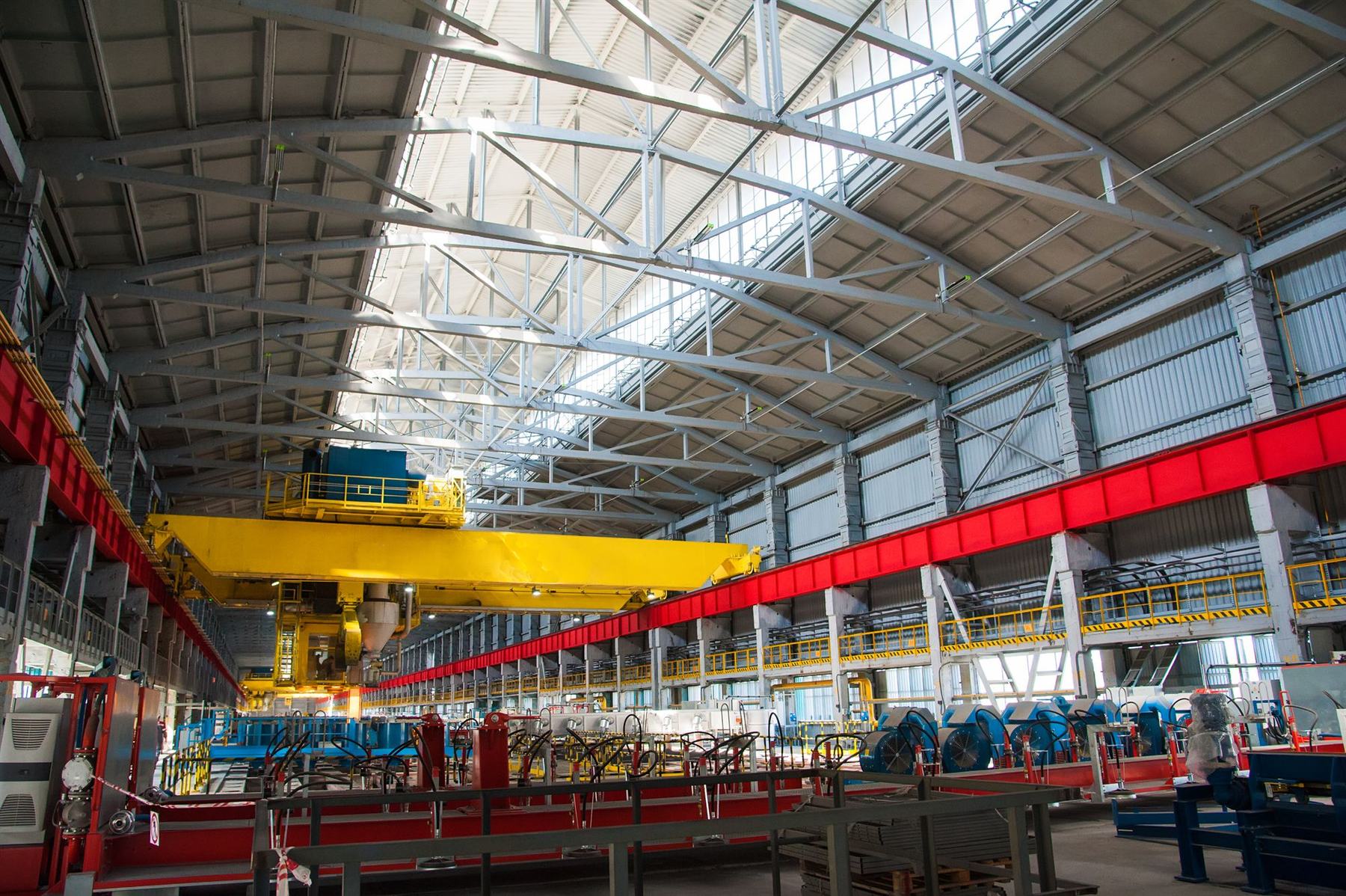
Heavy-duty bridge cranes for high capacities, long spans and maximum hook height.
Single vs Double Girder: Which Crane Fits Your Hall?
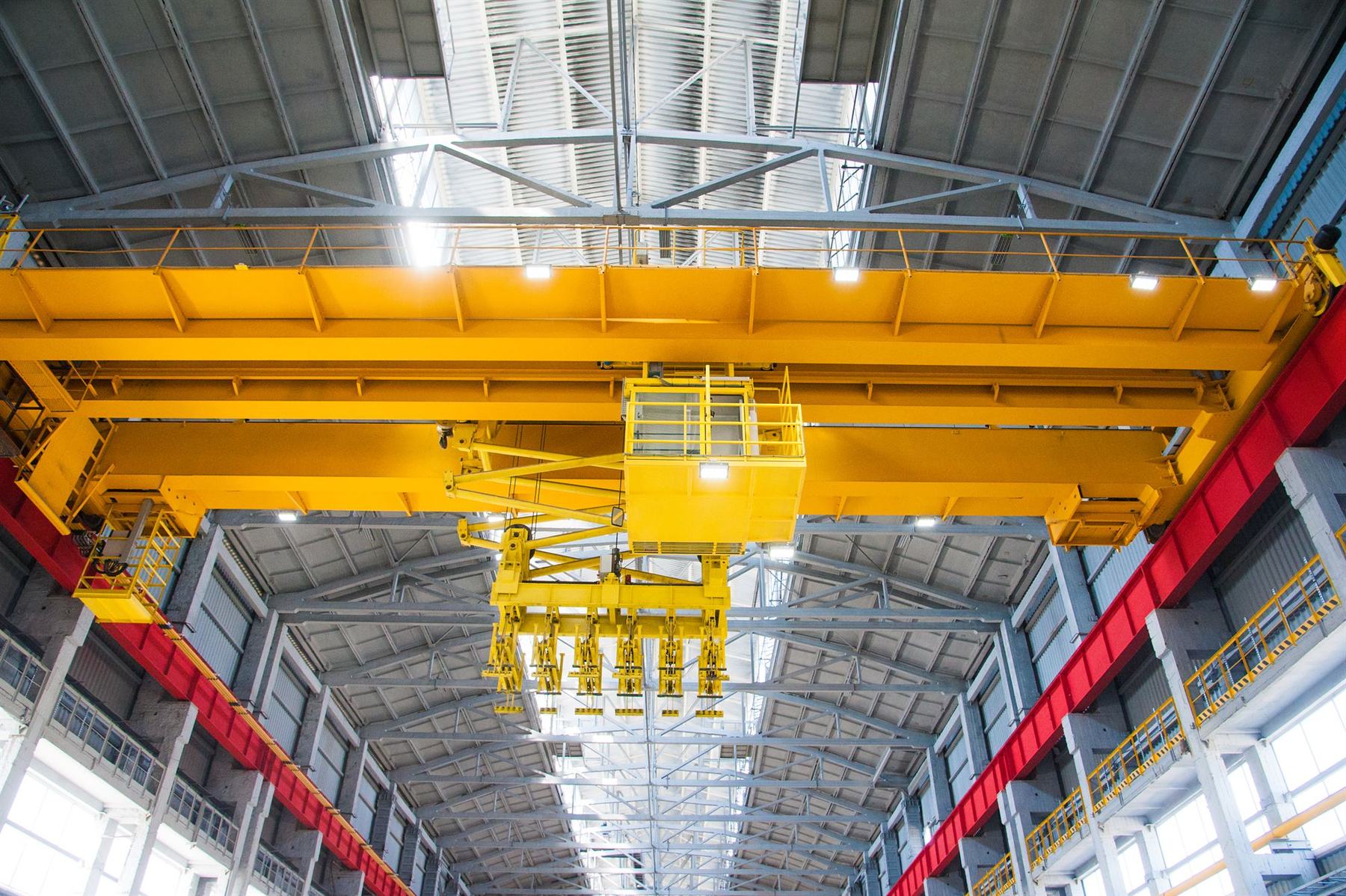
How capacity, span, hook height and duty cycle decide between the two designs.
Electric Chain Hoists
Light, versatile hoists for jib cranes, monorails and workstation systems.
What is the maximum capacity of a single girder crane?
As a rule of thumb, a single girder crane is usually the smart choice under about 10–16 t when there is no headroom pressure. The right limit depends on span, duty and the building, so we calculate it for each project.
Is a single girder crane cheaper than a double girder crane?
Generally yes, because it uses less steel, a simpler trolley and lighter end carriages, and it puts less load on the building.
Which hoist is used on a single girder crane?
Usually an electric chain hoist or a low-headroom or normal-headroom wire rope hoist running on the lower flange of the girder.
Should a single girder crane be top running or underslung?
Choose top running when the hall has runway beams that can carry rails on top, and underslung when columns or headroom limit that design. An underslung crane runs on the lower flange of the runway and can hang from the roof structure, provided the roof can take the load. The hall survey decides which one fits, because it depends on the actual structure.
Can a single girder crane be used if my building columns cannot take heavy loads?
Often yes, and this is one of the main reasons to choose it. Less steel in the bridge and a simpler trolley mean lower wheel loads on the runway and columns than a double girder crane doing the same job. The building still has to carry those loads, so the structure has to be assessed against the calculated crane before you commit.
Can a single girder crane have a walkway or an auxiliary hoist?
Only to a limited extent. With one beam and the hoist running on its lower flange, there is little room for a maintenance walkway or a second hoist. If regular access along the bridge or a separate auxiliary lift is part of the job, that usually points to a double girder crane. Mention both in your enquiry so they are considered before the design is fixed.
How much hook height do I lose with a single girder crane?
It depends on the building and the hoist, so the only reliable answer is a measured one. Because the hoist hangs below the girder, hook height is lower than with a double girder crane in the same hall. Measure from the floor to the lowest roof obstruction and compare both designs. A low-headroom hoist runs beside and under the girder and recovers part of the difference.
Can a single girder crane run through a full shift?
It is designed for light to medium duty, so lifting near capacity through the shift is usually beyond what it should do. Frequent lifts at light loads may still be fine once the duty class is worked out from the lifts per hour, load spectrum and running time. If the result is intensive duty, a double girder crane is the better fit, even at a modest capacity.