An inverter, also called a variable frequency drive, controls motor speed by changing the frequency of its supply. On a crane, that turns abrupt on-off movement into smooth, controlled motion.
Two-speed or stepless?
| Factor | Two-speed drive | Stepless inverter |
|---|---|---|
| Speed control | Fixed fast and slow | Continuously variable |
| Starts and stops | More abrupt | Smooth acceleration and deceleration |
| Positioning | Basic | Accurate |
| Load swing | Higher | Lower |
| Best for | Simple lifting | Precise, frequent or delicate handling |
Four main benefits
- Less load swing, which makes lifts safer around people and equipment.
- Accurate positioning for assembly, stacking and machine loading.
- Less mechanical shock on gears, wheels, brakes and the structure.
- More control for the operator, at low speed when it matters.
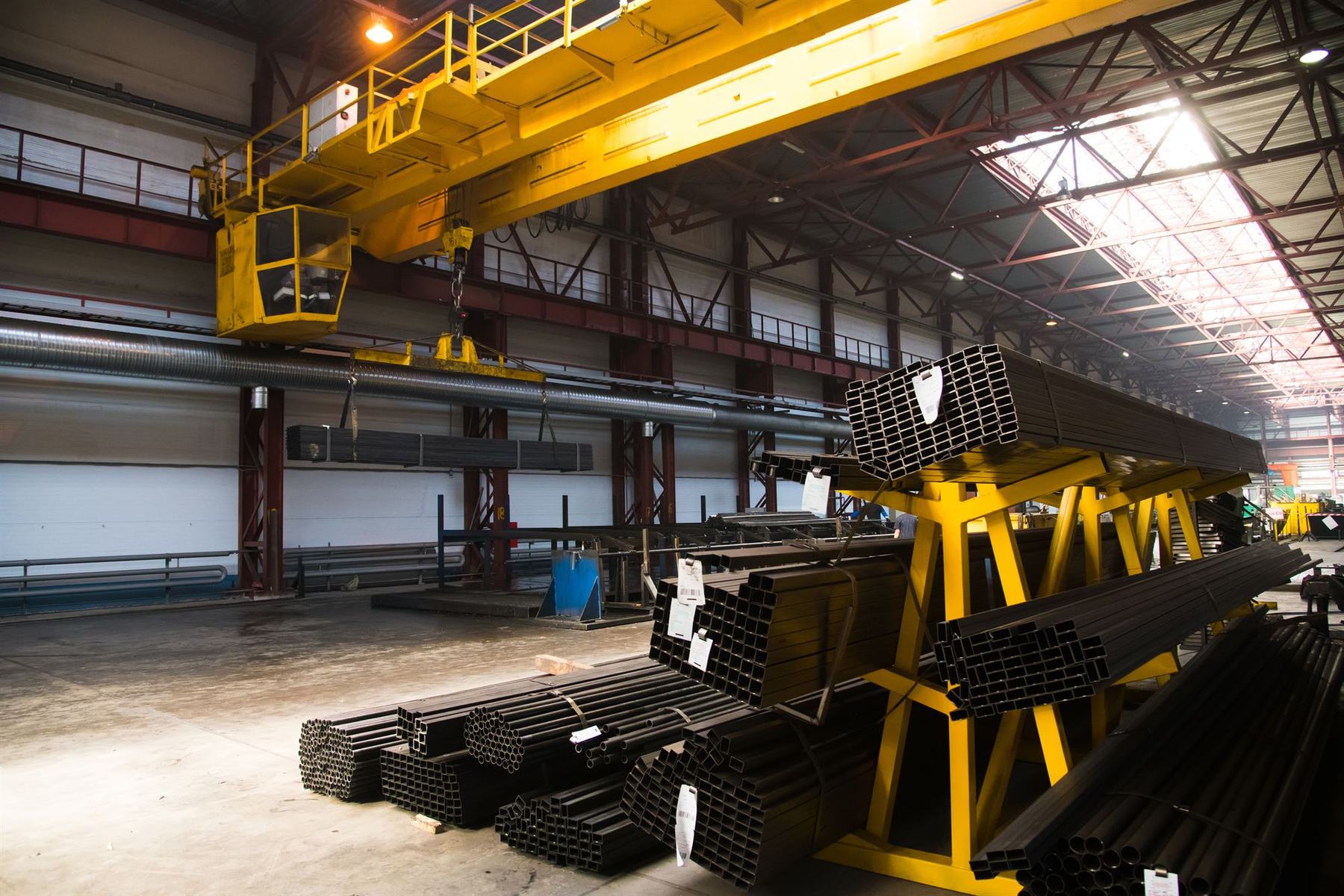
Where they matter most
Inverters are most valuable with delicate or high-value loads, long-travel cranes with heavy loads, and cranes that make many positioning moves each hour.
Can an inverter be retrofitted?
Often yes. Replacing two-speed controls with inverters is a common modernization, though motors, brakes and panels must be checked for compatibility first.
EOTEC cranes are available with two-speed or stepless inverter drives. See overhead cranes or contact our engineers.