Planning an Outdoor Gantry Crane Project

Planning an Outdoor Gantry Crane Project

Wind, rails, foundations and power supply for yard cranes.

CategoryOverhead cranes
PublishedJune 30, 2026
Reading time5 min read
Written byEOTEC engineering team

A gantry crane brings overhead lifting to yards with no building runway. Outdoors, the crane and the site must be planned together.

1. Define the working area

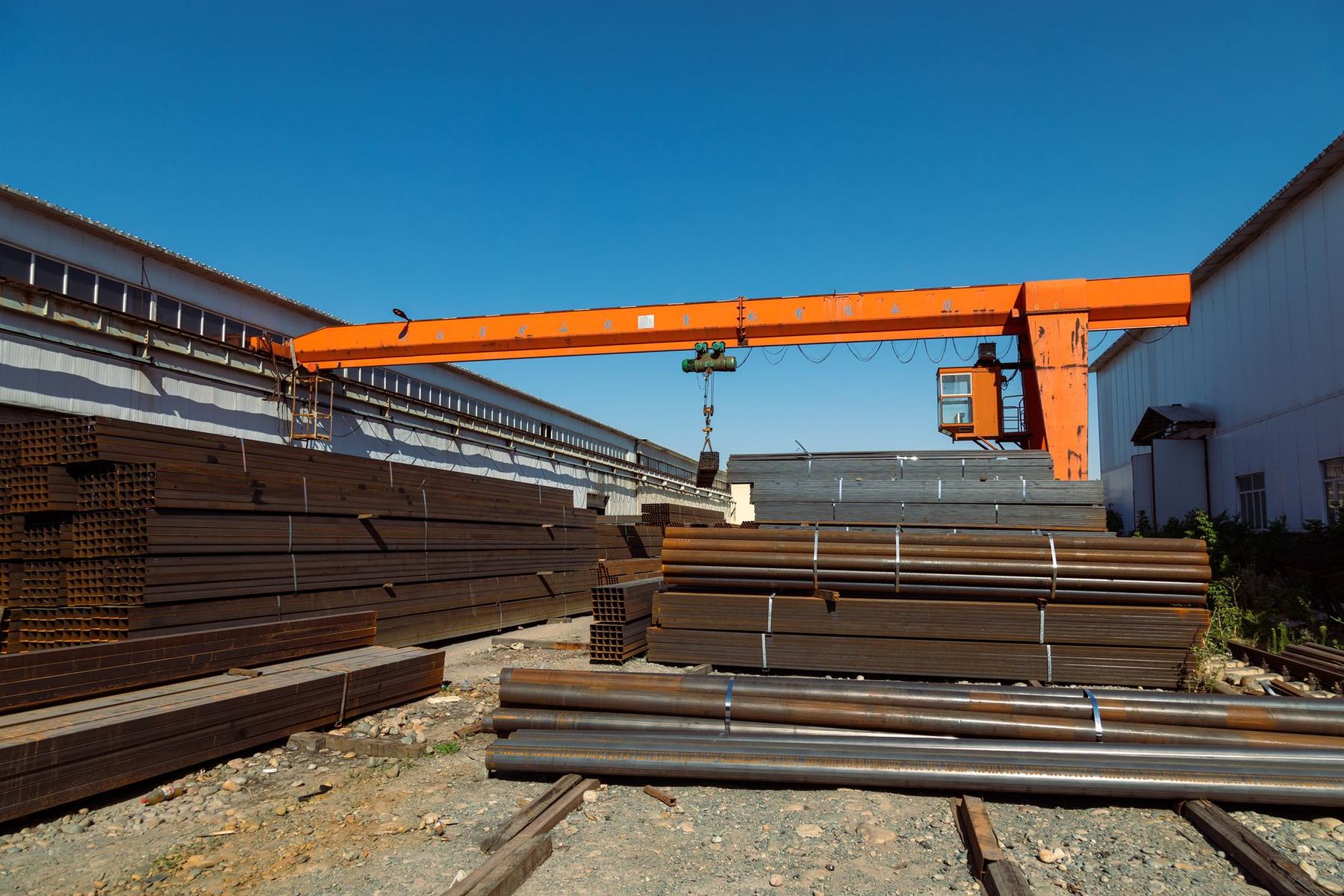
Map where loads are picked up, stored and loaded. This sets the span, the rail length and whether you need cantilevers to reach beyond the legs, for example over a truck lane.

2. Choose the configuration

ConfigurationHow it worksGood for
Full gantryRuns on two floor railsOpen yards and stockpiles
Semi-gantryOne floor rail, one runway on a building wallAreas alongside a building
CantileverGirder extends beyond the legsLoading trucks, reaching storage areas
L-typeLeg geometry leaves one side openHandling long loads past the legs
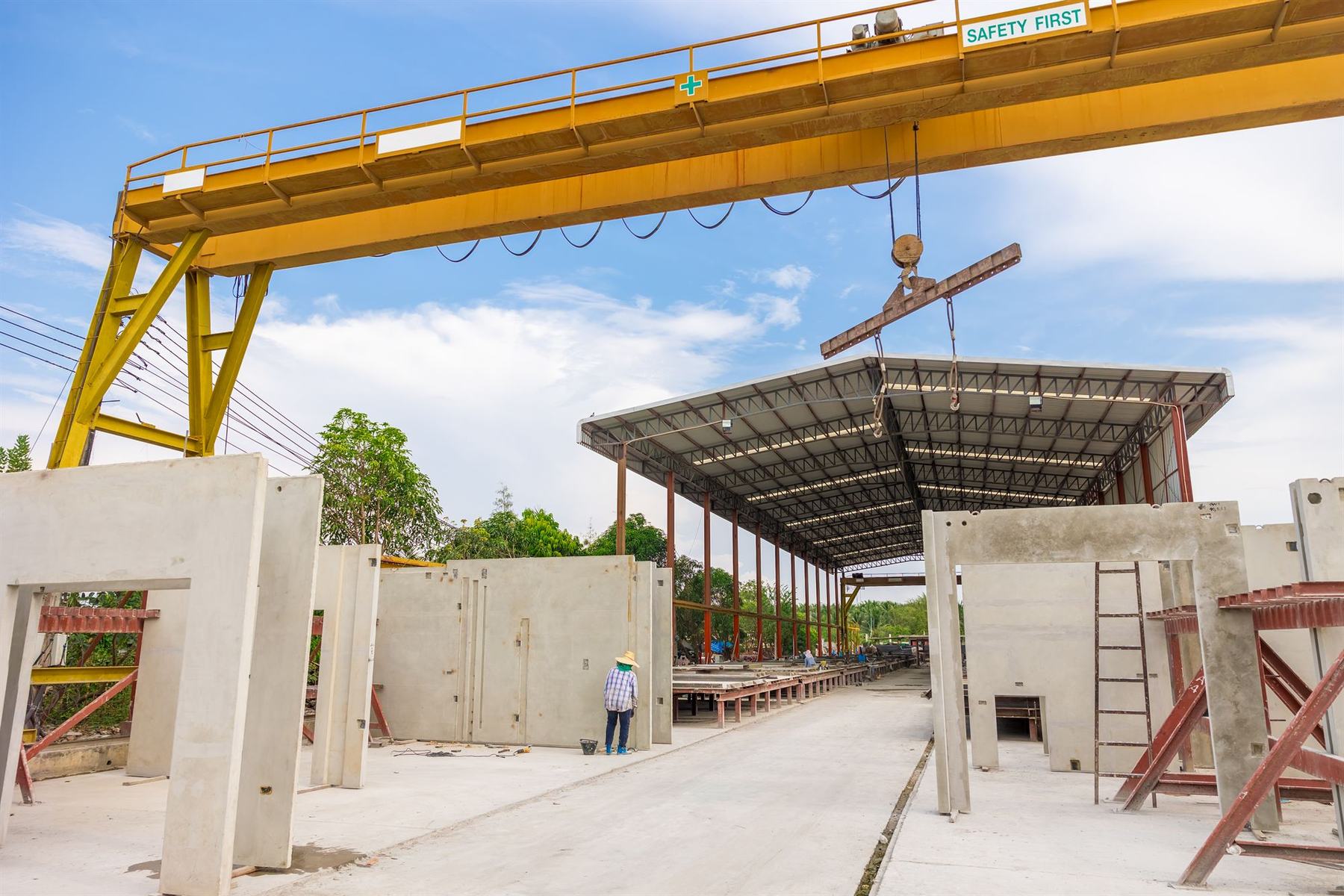
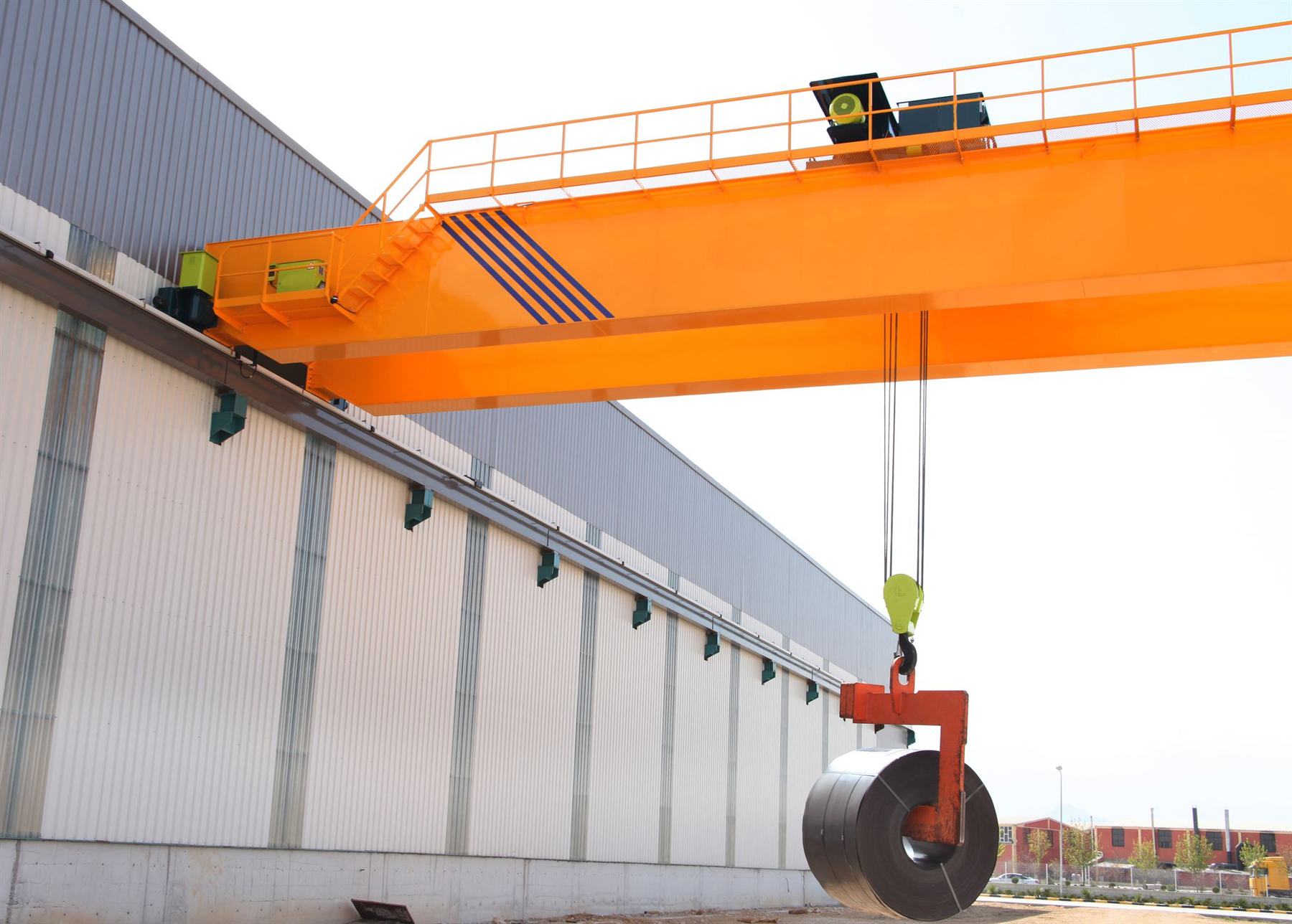
Gantry crane lifting a precast element in a yard

3. Allow for wind and weather

Outdoor cranes must be designed for wind in service and out of service, with storm protection such as rail clamps or anchors where required. Motors, panels and paint systems also need to be rated for outdoor conditions.

4. Prepare rails and foundations

Rails can be mounted on or embedded in the floor. Foundations must carry the wheel loads, and rail alignment directly affects wheel wear. Share soil information with your civil engineer early.

5. Plan the power supply

Long-travel power commonly comes from a cable reel or a conductor system. Choose early, because it affects the layout along the rail.

6. Plan installation access

Check space for delivery and for the mobile crane used to erect the gantry, and plan around yard operations.

EOTEC gantry cranes are available up to 100 t, in indoor or outdoor versions. Book a free site survey to start planning.
Request a quote

Keep reading

Related

Gantry Cranes

Gantry Cranes

Full and semi-gantry cranes for outdoor yards and halls without a runway.

Cranes by Industry

Cranes by Industry

Crane and attachment choices for steel, precast, logistics and machinery plants.

Choosing C-Hooks and Lifting Beams

Choosing C-Hooks and Lifting Beams

Matching below-the-hook devices to coils, beams and long loads.

FAQ

Outdoor gantry crane planning

If yours isn't here, just ask our engineers.

Does an outdoor gantry crane need special foundations?

Yes. Floor rails need foundations designed for the wheel loads, whether the rail is floor-mounted or embedded. Your civil engineer and crane manufacturer should work from the same load data.

How do I work out the span and rail length for a yard gantry crane?

Map where loads are picked up, stored and loaded, then draw the area the hook must reach. The width of that area sets the span and its length sets the rail length. If the hook has to reach beyond the legs, for example over a truck lane, add cantilevers rather than widening the whole crane. See gantry crane types for the configurations.

How is an outdoor gantry crane protected against wind and storms?

It is designed for wind twice: in service, when the crane is working, and out of service, when it is parked and exposed to a storm. Where required, rail clamps or anchors hold the parked crane against being driven along its rails. Motors, panels and the paint system also need outdoor ratings. Tell the manufacturer the site location and how exposed the yard is, because both influence the design.

Should gantry crane rails be floor-mounted or embedded in the yard?

Embedded rails suit yards where trucks and forklifts cross the rail line, because the surface stays level, while floor-mounted rails sit on top of the foundation and are simpler to reach for inspection and adjustment. Either way the foundation must carry the wheel loads. Whichever you choose, rail alignment needs care during construction, since it directly affects wheel wear over the life of the crane.

Cable reel or conductor system for gantry crane power: which should I choose?

Both are common for long-travel power, and the choice depends on the rail layout and how the yard is used, so settle it early. A cable reel travels with the crane and winds its cable in and out along the rail, while a conductor system needs a fixed line running the length of the runway. Each takes up space along the rail, which affects roads, stacks and foundations nearby.

What must be ready on site before a gantry crane can be erected?

Foundations and rails should be complete and checked, and there must be room to deliver the crane sections and set up the mobile crane that erects the gantry. Check the ground where that mobile crane will stand and the reach it needs over the rails. If the yard keeps working during erection, agree in advance which areas are closed and how traffic and loading will be rerouted.

Planning a crane for your plant?
Get a free quotation.

Request a Quote